

A roof does more than keep rain out. It shapes how a house handles heat, cold, wind, and time itself. Yet most homeowners think about their roof only when something goes wrong, which usually means the repair is bigger and more expensive than it needed to be. Understanding how a residential roof works, and what it needs from you over the years, makes it far easier to protect one of the most valuable parts of your home.
Common Roofing Materials and What They Offer
Most homes in North America use asphalt shingles, and for good reason. They are affordable, come in a wide range of colors, and typically last twenty to thirty years depending on quality and climate. Architectural shingles, a thicker variant, resist wind better and give a more layered appearance than the flat three-tab style.
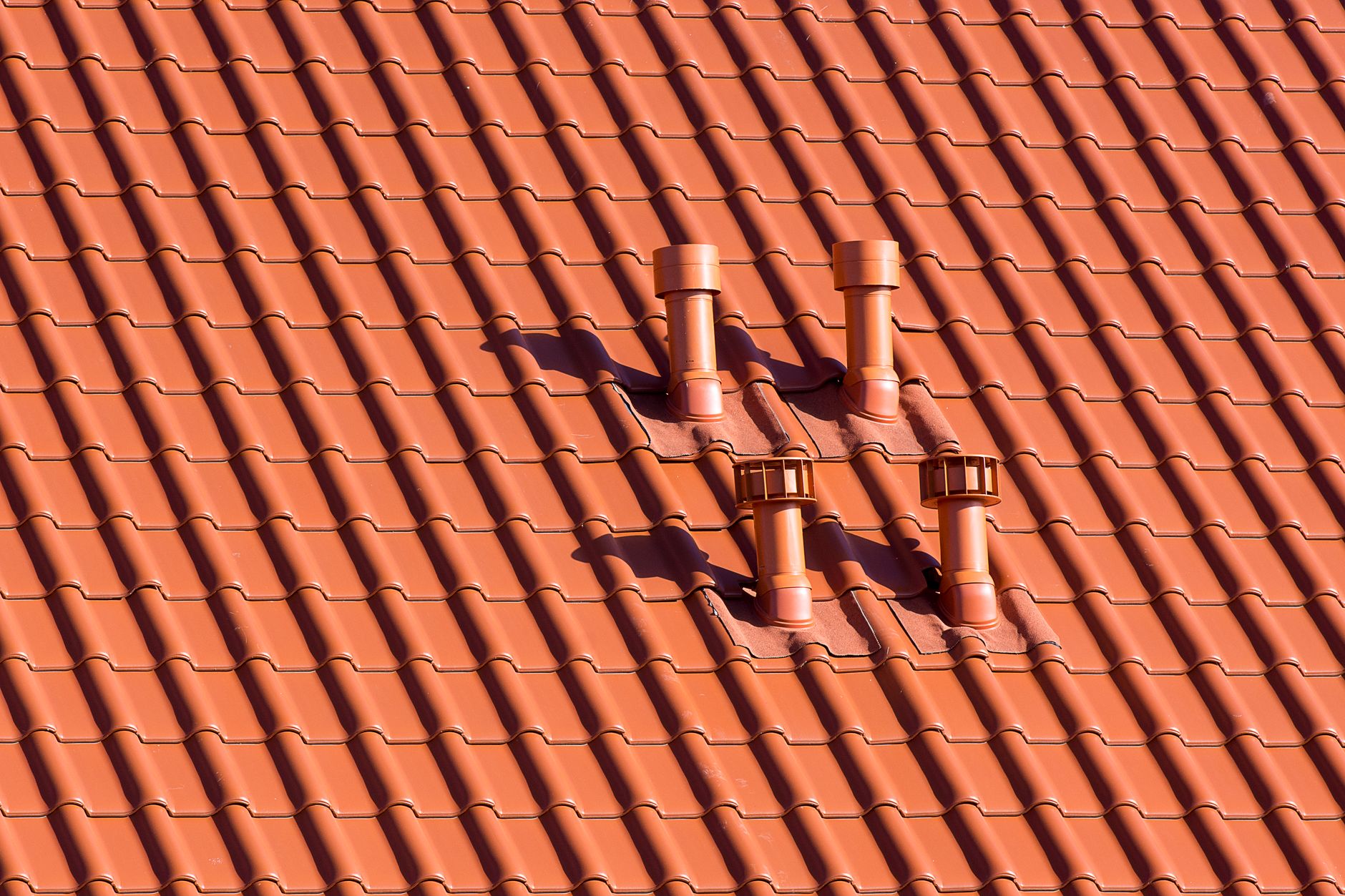
Beyond asphalt, metal roofing has grown popular for its longevity and its ability to shed snow and reflect heat. It costs more upfront but often outlasts several shingle roofs. Clay and concrete tiles suit warmer, drier regions and can last for decades, though they are heavy and may require reinforced framing. Slate sits at the premium end, prized for its lifespan and appearance but demanding skilled installation. Each material carries trade-offs in cost, weight, and maintenance, so the right choice depends on your budget, your climate, and how long you plan to stay in the home.
Signs Your Roof Needs Attention
Roof problems rarely announce themselves loudly at first. Curling or missing shingles, granules collecting in gutters, and dark streaks or patches are early warnings worth taking seriously. Inside the house, water stains on ceilings, a musty smell in the attic, or daylight visible through roof boards all point to a breach that will only widen if ignored.
Flashing around chimneys, vents, and skylights is a frequent trouble spot, since these seams take a beating from temperature swings and can loosen over time. When you notice anything that seems off, it is wise to bring in experienced roofing repair specialists who can assess the extent of the damage before it spreads to the decking or interior. A prompt inspection often turns a minor fix into a manageable one rather than a full replacement.
Routine Maintenance That Extends Roof Life
Simple habits stretch the years you get from any roof. Keep gutters clear so water drains away instead of backing up under shingles. Trim overhanging branches that scrape the surface or drop debris and shade the roof enough to encourage moss. After major storms, do a ground-level check for displaced shingles or scattered debris, and glance into the attic for any signs of moisture.
Twice-a-year visual inspections, in spring and fall, catch small issues while they are cheap to address. Pay attention to ventilation too. A poorly ventilated attic traps heat and humidity, which can warp decking, shorten shingle life, and drive up cooling costs. Balanced intake and exhaust vents help the whole system breathe.
Repair or Replace: Making the Call
Deciding between a repair and a full replacement comes down to age, extent of damage, and cost. If a roof is relatively young and the trouble is localized, a targeted repair usually makes sense. But when a roof is nearing the end of its expected lifespan and problems keep recurring, repeated patches become false economy. Widespread damage, sagging, or multiple leaks generally signal that replacement is the sounder long-term investment.
Get a clear, written assessment before committing to major work. A trustworthy contractor will explain what they found, show you photos, and lay out your options rather than pushing the most expensive path. Documentation also helps if you need to file an insurance claim after storm damage.
Your roof quietly does its job every day, and a little attention goes a long way toward keeping it that way. Knowing your materials, watching for early warning signs, and staying on top of routine care can add years to its life and spare you the cost and disruption of an emergency repair. Treat the roof as an ongoing part of home ownership, not an afterthought, and it will return the favor.